
Event Schedule – Day 2
SATURDAY, SEPTEMBER 13, 2025
EVENING SESSION
All times are CDT (UTC −05:00)
5:30 – 5:40 pm CDT
SAMANVAYA VEDANTA (Ramakrishna-Vivekananda Vedanta)

Introduction to topic by Emcee Swami Sarvapriyananda
5:40- 5:55 pm CDT
Stotra Path (Ramakrishna Stotra Dashakam)
श्रीरामकृष्ण स्तोत्रदशकम् [Śrīrāmakr̥ṣṇa Stōtradaśakam]
ब्रह्म-रूपमादि-मध्य-शेष-सर्व-भासकम्
भाव-षट्क-हीन-रूप-नित्य-सत्यमद्वयम् ।
वाङ्मनोऽति-गोचरञ्च नेति-नेति-भावितम्
तं नमामि देव-देव-रामकृष्णमीश्वरम् ॥१॥
brahma-rūpamādi-madhya-śēṣa-sarva-bhāsakam
bhāva-ṣaṭka-hīna-rūpa-nitya-satyamadvayam ।
vāṅmanō’ti-gōcarañca nēti-nēti-bhāvitam
taṃ namāmi dēva-dēva-rāmakr̥ṣṇamīśvaram ॥1॥
आदितेयभीहरं सुरारि-दैत्य-नाशकम्
साधु-शिष्ट-कामदं मही-सुभार-हारकम् ।
स्वात्म-रूप-तत्त्वकं युगे युगे च दर्शितम्
तं नमामि देव-देव-रामकृष्णमीश्वरम् ॥२॥
āditēyabhīharaṃ surāri-daitya-nāśakam
sādhu-śiṣṭa-kāmadaṃ mahī-subhāra-hārakam ।
svātma-rūpa-tattvakaṃ yugē yugē ca darśitam
taṃ namāmi dēva-dēva-rāmakr̥ṣṇamīśvaram ॥2॥
सर्व-भूत-सर्ग-कर्म-सूत्र-बन्ध-कारणम्
ज्ञान-कर्म-पाप-पुण्य-तारतम्य-साधनम् ।
बुद्धि-वास-साक्षि-रूप-सर्व-कर्म-भासनम्
तं नमामि देव-देव-रामकृष्णमीश्वरम् ॥३॥
sarva-bhūta-sarga-karma-sūtra-bandha-kāraṇam
jñāna-karma-pāpa-puṇya-tāratamya-sādhanam ।
buddhi-vāsa-sākṣi-rūpa-sarva-karma-bhāsanam
taṃ namāmi dēva-dēva-rāmakr̥ṣṇamīśvaram ॥3॥
सर्व-जीव-पाप-नाश-कारणं भवेश्वरम्
स्वीकृतञ्च-गर्भवास-देह-धानमीदृशम् ।
यापितं स्व-लीलया च येन दिव्य-जीवनम्
तं नमामि देव-देव-रामकृष्णमीश्वरम् ॥४॥
sarva-jīva-pāpa-nāśa-kāraṇaṃ bhavēśvaram
svīkr̥tañca-garbhavāsa-dēha-dhānamīdr̥śam ।
yāpitaṃ sva-līlayā ca yēna divya-jīvanam
taṃ namāmi dēva-dēva-rāmakr̥ṣṇamīśvaram ॥4॥
तुल्य-लोष्ट्र-काञ्चनञ्च हेय-नेय-धीगतम्
स्त्रीषु नित्य-मातृभाव-शक्तिरूप-भावुकम् ।
ज्ञान-भक्ति-भुक्ति-मुक्ति-शुद्ध-बुद्धि-दायकम्
तं नमामि देव-देव-रामकृष्णमीश्वरम् ॥५॥
tulya-lōṣṭra-kāñcanañca hēya-nēya-dhīgatam
strīṣu nitya-mātr̥bhāva-śaktirūpa-bhāvukam ।
jñāna-bhakti-bhukti-mukti-śuddha-buddhi-dāyakam
taṃ namāmi dēva-dēva-rāmakr̥ṣṇamīśvaram ॥5॥
सर्व-धर्म-गम्य-मूल-सत्य-तत्त्व-देशकम्
सिद्ध-सर्व-सम्प्रदाय-साम्प्रदाय-वर्जितम् ।
सर्व-शास्त्र-मर्म-दर्शि-सर्वविन्निरक्षरम्
तं नमामि देव-देव-रामकृष्णमीश्वरम् ॥६॥
sarva-dharma-gamya-mūla-satya-tattva-dēśakam
siddha-sarva-sampradāya-sāmpradāya-varjitam ।
sarva-śāstra-marma-darśi-sarvavinnirakṣaram
taṃ namāmi dēva-dēva-rāmakr̥ṣṇamīśvaram ॥6॥
चारुदर्श-कालिका-सुगीत-चारु-गायकम्
कीर्त्तनेषु मत्तवच्च नित्य भावविह्वलम् ।
सूपदेश-दायकं हि शोक-ताप वारकम्
तं नमामि देव-देव-रामकृष्णमीश्वरम् ॥७॥
cārudarśa-kālikā-sugīta-cāru-gāyakam
kīrttanēṣu mattavacca nitya bhāvavihvalam ।
sūpadēśa-dāyakaṃ hi śōka-tāpa vārakam
taṃ namāmi dēva-dēva-rāmakr̥ṣṇamīśvaram ॥7॥
पाद-पद्म-तत्त्व-बोध-शान्ति -सौख्य-दायकम्
सक्त-चित्त-भक्त-सूनु-नित्य-वित्त-वर्धकम् ।
दम्भि-दर्प-दारणन्तु निर्भयंजगद्गुरुम्
तं नमामि देव-देव-रामकृष्णमीश्वरम् ॥८॥
pāda-padma-tattva-bōdha-śānti-saukhya-dāyakam
sakta-citta-bhakta-sūnu-nitya-vitta-vardhakam ।
dambhi-darpa-dāraṇantu nirbhayaṁjagadgurum
taṃ namāmi dēva-dēva-rāmakr̥ṣṇamīśvaram ॥8॥
पञ्च-वर्ष-बाल-भाव-युक्त हंस-रूपिणम्
सर्व-लोक-रञ्जनं भवाब्धि-सङ्ग-भञ्जनम् ।
शान्ति -सौख्य-सद्म-जीव-जन्मभीति नाशनम्
तं नमामि देव-देव-रामकृष्णमीश्वरम् ॥९॥
pañca-varṣa-bāla-bhāva-yukta haṃsa-rūpiṇam
sarva-lōka-rañjanaṃ bhavābdhi-saṅga-bhañjanam ।
śānti-saukhya-sadma-jīva-janmabhīti nāśanam
taṃ namāmi dēva-dēva-rāmakr̥ṣṇamīśvaram ॥9॥
धर्म-हान-हारकं त्वधर्म-कर्म-वारकम्
लोक-धर्म-चारणञ्च सर्व-धर्म-कोविदम् ।
त्या गि-गेहि-सेव्य-नित्य-पावनाङ्घ्रि -पङ्कजम्
तं नमामि देव-देव-रामकृष्णमीश्वरम् ॥१०॥
dharma-hāna-hārakaṃ tvadharma-karma-vārakam
lōka-dharma-cāraṇañca sarva-dharma-kōvidam ।
tyāgi-gēhi-sēvya-nitya-pāvanāṅghri-paṅkajam
taṃ namāmi dēva-dēva-rāmakr̥ṣṇamīśvaram ॥10॥

Swami Ishatmananda
5:55 – 6:20 pm CDT
Samanvaya Vedanta Pre-Sri Ramakrishna
Talk by Swami Ishatmananda
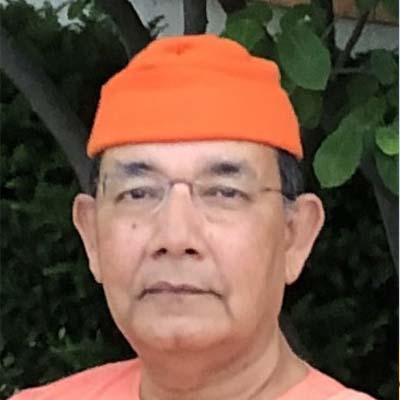
Swami Ishatmananda
6:20 – 6:45 pm CDT
Samanvaya Vedanta during Sri Ramakrishna
SWAMI SARVADEVANANDA
Minister, Vedanta Society of Southern California
This write-up is based on a paper published in Chicago Calling (Vol. 3, 2014).
Swami Vivekananda is the symbol of unity. In him, there was nothing that was not universal—nothing but what related to the whole of humanity. Swami Vivekananda said, “We want to lead mankind to the place where there is neither the Vedas, nor the Bible, nor the Koran; yet this has to be done by harmonizing the Vedas, the Bible, and the Koran. Mankind ought to be taught that religions are but the varied expressions of THE RELIGION, which is Oneness, so that each may choose the path that suits him best.” (CW 6:416)
What a vision and mission for bringing unity to this world of conflicting and diverse views! He also said, “It may be that I shall find it good to get outside of my body—to cast it off like a disused garment. But I shall not cease to work! I shall inspire men everywhere, until the world shall know that it is one with God.” (CW 5:414)
Vivekananda stands on this platform where “men everywhere” and the “whole world” are the points of consideration—nothing short of that. He said, “We want to lead mankind.” He did not come for any particular country, creed, sect, caste, or religion—but to lead and guide all of humanity. He came to redeem the whole world; “mankind” was his “mission.” He expressed that mission in another way: “I shall inspire men everywhere until the world shall know that it is one with God.”
What a grand resolution and what an arduous task he undertook willingly, out of his tremendous love for humanity. This is his message: the message of unity. And this unity is the foundation of all spiritual traditions, leading to the one ultimate realization. The ultimate truth is the same—Truth is one and only one.
Diversity is the plan of creation. We cannot expect that everything and everyone in the manifested universe will be the same. If that were the case, it would not be creation at all; it would no longer be the world in which we live. That is why religious traditions and paths are so diverse. This difference adds beauty to spiritual life. It gives freedom to each soul to choose the path that resonates most deeply with the heart.
Swami Vivekananda accepted this universal approach to spirituality. His master, Sri Ramakrishna, not only accepted this philosophy but lived it—practicing all the different spiritual paths and reaching their summit in the unique experience of oneness, where all differences dissolve.
I recall Sri Ramakrishna’s first vision of Mother Kāli. The form—sākāra—and the formless—nirākāra—melted into oneness. The light emanated from the divine image of the Mother, radiating in all directions. As the experience progressed, that image of the Mother gradually merged into an infinite ocean of light and consciousness. Then he himself was drowned in that infinite light of blissful consciousness, losing all outer awareness of the perceptible and imperceptible worlds of duality. He remained in that state for that day and the next.
Much later, when Sri Ramakrishna entered into the nirvikalpa state of samādhi with Totapuri, perhaps the experience was the same. It was the same level of awareness—where there was no “two,” no diversity, no multiplicity. Everything melted into one absolute ocean of bliss and consciousness. That is the eternal and absolute reality—the culmination of all spiritual visions and experiences, where the journey ends.
At the beginning of the journey, and even as one proceeds toward the final experience, the rituals, forms, and visions encountered by followers of different paths will differ greatly. Swami Vivekananda’s message reverberates and resonates with the proclamations of the ancient sages: ekam sat viprāḥ bahudhā vadanti.
To reestablish peace and harmony in the world, Sri Ramakrishna and Swami Vivekananda relived the same experiences as the ancient sages, in this modern era. Sri Ramakrishna practiced the disciplines of different faiths under the guidance of teachers from each tradition. He first experienced God as the Divine Mother, and then cried and prayed to Her to show him how devotees of other traditions realize Her. He came to the conclusion: “As many faiths, so many paths”—jata mat, tata path.
Diversity has its own charm and beauty. Each path has its unique appeal for its followers. Still, when we reach the final destination, we all surely experience the same Truth.
For instance, all of us may have had different experiences on our way to this Hilton Hotel—taking different roads from different directions and seeing varied scenery. But now we are all here together, in the same hall, enjoying the same celebration.
Swami Vivekananda once drew a circle to explain the idea of unity in diversity. Different religions are like radii of the circle, and God is the center. The goal of each tradition is to reach the center. At the circumference, the radii are far apart—but as they move inward, the differences diminish. Finally, all differences are dissolved at the center—that is, in God.
The ancient sages experienced this oneness through different paths. As the Ṛg Veda says (1.164.46): “Truth is one, sages call it by different names—ekam sat viprāḥ bahudhā vadanti.” The Muṇḍaka Upaniṣad (3.2.8) proclaims: yathā nadyaḥ syandamānāḥ samudre’stṁ gacchanti nāma rūpe vihāya, tathā vidvānnāmarūpādvimuktaḥ parātparaṁ puruṣamupaiti divyam— “As flowing rivers disappear in the sea, losing their names and forms, so a wise man, freed from name and form, attains the Purusha, who is greater than the Great.” That is the ultimate experience. Diversity is real so long as we remain on the level of outward consciousness—body and mind.
Sri Ramakrishna, like a scientist, experimented with the truth of oneness in his laboratory of meditation at Dakshineswar, and experienced the unity of all paths. He used to say, “All the jackals howl the same way,” meaning that illumined souls of all traditions express the same truth.
This truth was long hidden in the cryptic language of scriptures and available only to a few saints and sages. Swami Vivekananda took it as his mission to bring this sublime truth of oneness to the general public. He broadcast the glorious message of the Upanishads to all, in broad daylight, so that it could become the common property of all seekers of truth—regardless of caste, creed, gender, religion, nationality, or country. His mission was to bring the Vedanta of the forest into every home.
This ancient truth—profound and deep—is embedded in the Vedas and Upanishads, yet not easily accessible to the majority. Swami Vivekananda brought it into our everyday lives. And his goal was to lead us to that oneness of realization. He declared: “The ideal of all religions, all sects, is the same—the attaining of liberty and the cessation of misery.” (CW 4:51)
And again: “If there is ever to be a universal religion, it must be one which will have no location in place or time; which will be infinite like the God it will preach… which in its catholicity will embrace in its infinite arms… every human being… from the lowest groveling savage… to the highest man towering by the virtues of his head and heart… It will be a religion which will have no place for persecution or intolerance… which will recognize divinity in every man and woman… whose whole force will be created in aiding humanity to realize its own true, divine nature.” (CW 1:19)
So this is Swami Vivekananda’s mission: to lead us to that experience of spiritual unity. Spiritually, we are all connected. Yet each must follow their own path, according to their own nature and tendencies to love God and seek Truth.
There are essentials and non-essentials in every religion. We must learn to separate the essential from the non-essential. The core of spirituality is unity. We must reach it—see it in all. Swami Vivekananda wanted us to develop his vision of unity in diversity. We do not have to create unity; rather, we must learn to see the unity that already exists. The ancient sages realized it; Sri Ramakrishna and Swami Vivekananda relived it.
This same message of unity in diversity was broadcast from this wonderful city of Chicago, which hosted the Parliament of Religions in 1893, giving Swami Vivekananda a platform to proclaim this message. That event created a profound impact on the world, especially in India and America.
The momentum of 1893 continued, taking new shape after a hundred years. In 1993, monks and devotees of the Vedanta Society of Chicago began to revive this interfaith movement with other religious leaders. Since then, the Parliament of the World’s Religions has been creating a deep impact, holding global forums in Chicago (1993), Cape Town (1999), Barcelona (2004), Monterrey (2007), Melbourne (2009), Salt Lake City (2015), Toronto (2018), Virtual (2021), and Chicago (2023)—to fulfill the mission of unity in diversity as lived by Sri Ramakrishna and taught by Swami Vivekananda.
Today, many local, regional, and international interfaith gatherings are taking place around the world, fostering mutual respect, peace, harmony, and unity in diversity. This is the special contribution of the Ramakrishna-Vivekananda legacy.
Diversity has its own beauty. A garland looks beautiful when strung with flowers of different colors. Without diversity, human existence is impossible. Yet there is unity at the spiritual level.
Even from a human perspective, we are all one. I may be from India, another may be born here, another from Russia or elsewhere—but as human beings, our feelings of joy, pain, and suffering are the same. Beyond body, mind, intellect, and ego—there is only one Truth. The absolute unity is the ultimate goal of all religion and religious experience. Unity is our very foundation.
As medicine to heal the fractured religious and sectarian ideologies of our time, Swami Vivekananda preached unity, and gave his life for promoting and fostering this ideology. He taught us how to love and respect every path. He was loath to criticize anyone, and even later regretted having done so, noting that his Master had never criticized any path.
So we too must carry forward this spirit. We are to reach unity—not by division, but by harmony. Let us move toward that spiritual unity, the foundation of our existence—that is Brahman, that is Ātman, that is the transcendental Reality.
As students of Vedanta, as followers of Ramakrishna-Vivekananda, we must understand that what is transcendental is also immanent. Totapuri attained the realization of transcendental Truth before coming to Sri Ramakrishna. But the realization of the immanent Reality was given to him by Sri Ramakrishna. In transcendental experience, oneness alone is perceived.
Sri Ramakrishna and Swami Vivekananda’s special contribution in this age is to bring the realization of oneness into the realm of diversity, and to teach us how to manifest that truth in every movement of life. In our day-to-day lives, we must learn to see the Divine in all. We must practice seeing it, until spiritual growth brings us to the realization of the immanent Truth manifesting through diverse names and forms.
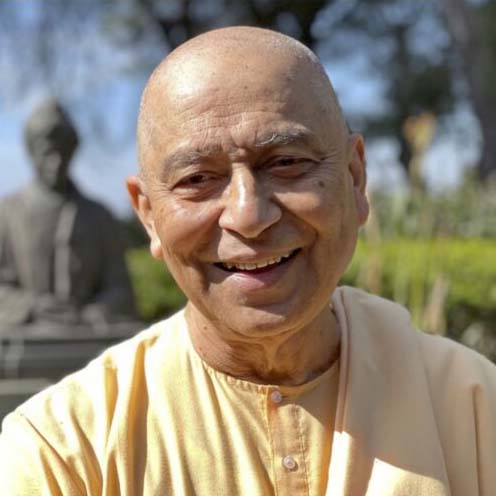
Swami Sarvadevananda
6:45- 7:15 pm CDT
Samanvaya Vedanta Post-Sri Ramakrishna
Topic Summary
Samanvaya between the traditional three main philosophical schools of Vedanta, which have been simmering in the cauldron of philosophical bickering for centuries, is only possible if it is based on the exalted spiritual experiences of the ancient rishis of the Vedas and the Upanishads. In our everyday world that is dominated by intellectual and philosophical debates and arguments, without direct spiritual experience, true samanvaya is not possible.
But with the advent of Sri Ramakrishna and Swami Vivekananda, samanvaya has assumed enormous importance for the 21st century. This holds true not only in relation to the three main philosophical schools, but also between the various sects in India, as well as between the various world religions. Sri Ramakrishna set a high bar through his transcendent and inclusive experiences. Swami Vivekananda was an ideal interpreter to present to the modern world Sri Ramakrishna’s unique and all-encompassing message based on his direct spiritual revelations.
Sri Ramakrishna’s comprehensive experiences of Reality exceeded a level of understanding that had not been fully represented in any of the existing religious texts, ancient or modern. His vision of unity in diversity silences all disputes as to the nature of Reality by demonstrating that it is multifaceted and unlimited. It is infinite, far vaster than philosophic thought or mere intellectual understanding can reach. His experiences prove that if we accept unity as the underlying basis of existence, then we must accept variation within it as well. Swami Vivekananda tells us that Summary “We must learn that truth may be expressed in a hundred thousand ways and that each of these ways is true. . . . We must learn that the same thing can be viewed from a hundred different standpoints, and yet be the same thing.”
Samanvaya is the integration of diverse philosophical and spiritual principles unto a unified framework. Different ways of viewing the Truth are never at odds with another way of thinking, but are rather complementary. Samanvaya definitely signifies the harmony, integration, and the reconciliation of seemingly disparate elements, even conflicting ones, into a unified whole. It’s a tall order to genuinely accept and appreciate the interconnectedness of diverse approaches as different perspectives that can coexist and actually complement each other.
So, what is our part in trying to create this sympathetic, broad ideal? If we can genuinely accept other ways of thinking and conclusions reached by other practitioners while remaining firm in our own convictions, we will have come a long way toward samanvaya. Intellectual acceptance is the first step, but the integral aspect of this understanding is direct intuitional experience. Truth is many and one simultaneously; let us accept that it is possible to have different visions and experiences of the same Truth from various standpoints. That is what Sri Ramakrishna did without naming, comparing, categorizing, or limiting spiritual experience to stages, such as this is higher therefore superior, this is lower therefore inferior and so on. He experienced the Truth as it is, not as philosophy defines or classifies it. This, I believe, is real samanvaya.
Pravrajika Virajaprana
7:15 – 7:40 pm CDT
Question and Answer
All Swamijis and Matajis on stage
